

At Duke, student success means focusing on the whole person.
“We start with the idea of belonging,” says Jenny Wood Crowley, associate vice provost, strategic enrollment management. “That isn't just a buzzword. It's something we've studied, measured and built into the student experience.”
Long before the concept became a staple of higher education conversations after the pandemic, Duke researchers were examining what helps students feel connected to their campus community. The work of Duke faculty member Steve Asher and researcher Molly Weeks helped identify a surprisingly simple finding: Students who develop a meaningful relationship with at least one adult on campus report higher levels of engagement, stronger academic confidence and a deeper sense of belonging.
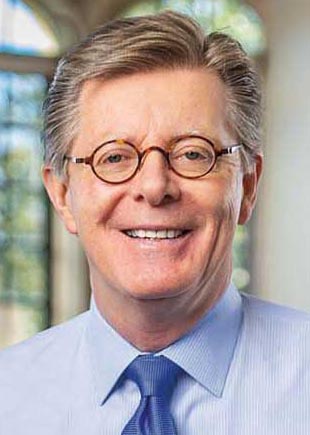
“Students who feel seen and understood do better,” Crowley says. “They develop a stronger sense of themselves as members of the Duke community.”
Those findings have shaped everything from advising and residential life to orientation programs and academic initiatives. Rather than viewing student success as strictly an academic outcome, Duke has increasingly embraced a holistic approach that recognizes students as whole people.
“We don't see students as academic robots or simply future professionals,” Crowley says. “We think about their personal growth, their relationships, their sense of community and how all of those things contribute to success.”
That philosophy has become especially important as Duke's student population has grown more economically diverse. Over the past several years, the university has made a significant commitment to recruiting and supporting first-generation and lower-income students, pairing financial aid investments with programs designed to help students thrive once they arrive.


“The goal was never simply to admit more students from different backgrounds and wish them luck,” Crowley says. “We wanted to build the support structures that would help them succeed.”
That support begins before students even enroll. Through outreach initiatives, fly-in programs and family engagement efforts, Duke works to help prospective students envision themselves on campus. Once they arrive, resources range from mentoring and advising to technology support, tutoring and specialized programs through DukeLIFE, which serves first-generation and lower-income students.
Yet Crowley believes the university's greatest strength isn't any single program.
“It's the people,” she says.
Whether in classrooms, residence halls or advising offices, she sees a culture built around personal connection.
“I think Duke hires people who genuinely care about students,” Crowley says. “Faculty don't see undergraduates as distractions from their work. They see them as part of the reason they do their work.”
That emphasis on relationships extends beyond academics. Crowley points to Duke's residential model, orientation programs and campus traditions as examples of intentional efforts to create community.
Even initiatives such as QuadEx, which reshaped the undergraduate residential experience, were informed by years of research into how students form friendships and navigate campus life.
The result, she says, is an environment that often surprises students who arrive expecting an intensely competitive culture.
“Duke is certainly rigorous,” Crowley says. “But what I hope students discover is that you can be brilliant and kind. You can challenge one another's ideas while still respecting one another's humanity.”
In an era when higher education faces growing scrutiny, Crowley believes that commitment to human connection may be one of Duke's most important strengths.
“What we're really doing,” she says, “is helping students become thoughtful, engaged people who know how to learn from others, build community and make a difference in the world.”
Student Voices
A Welcoming Place: How Clark Easley Quickly Found Community
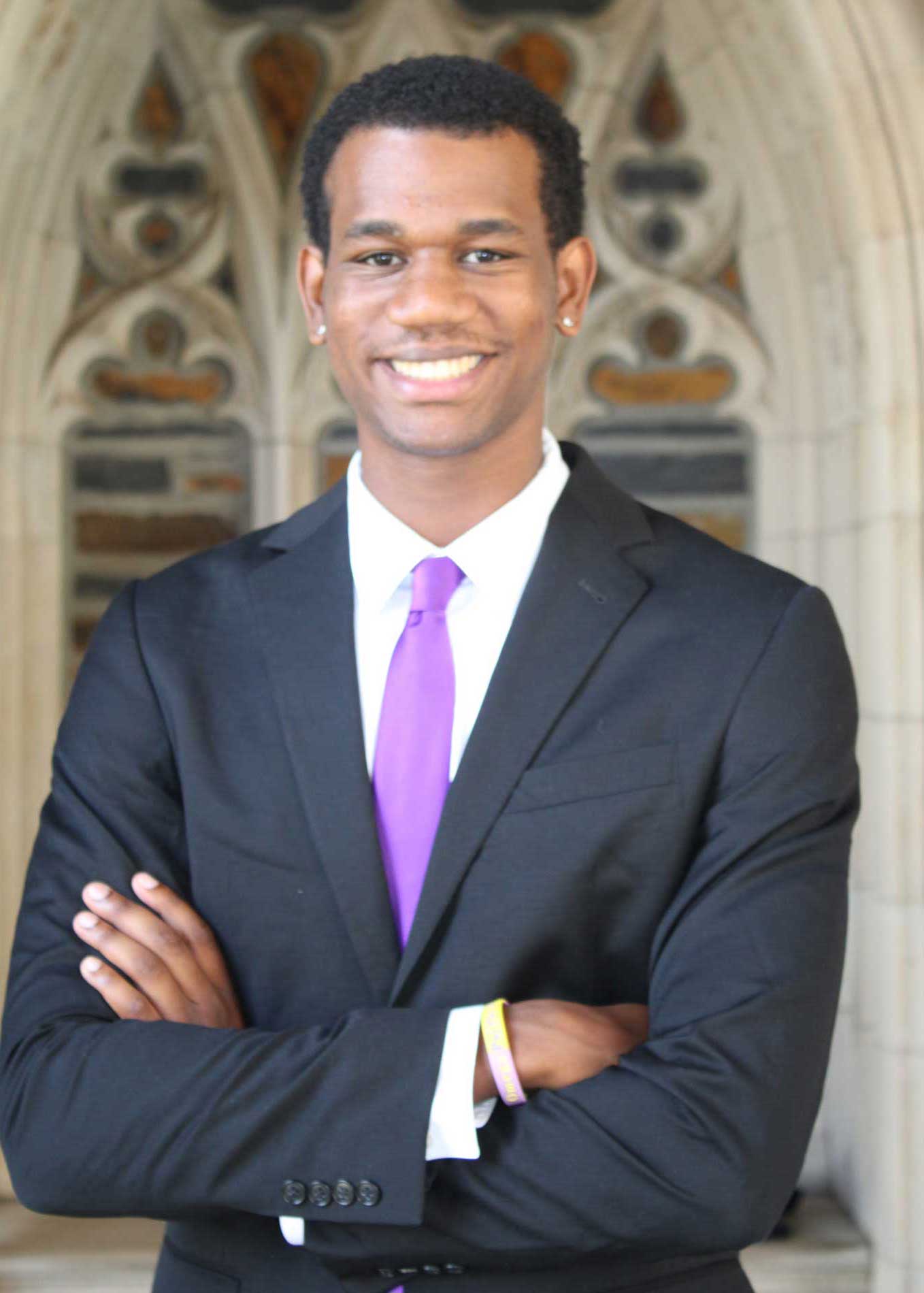
When Clark Easley arrived at Duke from Schaumburg, Illinois, he carried with him many of the same assumptions about the university that countless students have before setting foot on campus.
“Duke's name precedes itself in so many ways,” he says. “As someone from outside North Carolina, you have a very clear perception of Duke before you get here.”
Some of those perceptions centered on prestige. Others centered on privilege.
“As a middle-class kid, I wasn't sure if I'd fit in,” Easley admits. “I thought Duke might be this elitist, wealthy Southern school.”
Two years later, the rising junior says his experience has turned those assumptions upside down.
“Academically, Duke is exactly what I expected,” he says. “Socially, it's so much more welcoming and less elitist than I imagined. I've found it to be one of the most welcoming places I've ever been.”
That sense of belonging has shaped Easley's Duke experience – from leadership roles in the Durham community to, most recently, an oral history summer research project on apartheid and athletes in South Africa.
A public policy major and Robertson Scholar, Easley credits Project Build, Duke's experiential orientation program, with helping him build a sense of community almost immediately.
Through Project BUILD, he learned about the city beyond campus while forming friendships with fellow students. The experience proved so meaningful that he later returned as an orientation leader and will now serve as the program's director.
“This program has poured so much into me,” he says. “Now I get the opportunity to pour so much into it.”
Easley sees Duke as a place intentionally designed to help students from different backgrounds succeed.
“There are so many structures here that help break down disadvantages students might come in with,” he says. “Small classes, freshman seminars, random roommates, community programs – I think it's working.”
At just 20 years old, Easley already has had strong experiences. Yet he views them less as accomplishments and more as preparation. More so, Easley sees his education journey not simply about achievement. It is now framed around connection.
He says he hopes to attend law school and eventually work in public policy, developing projects that benefit marginalized communities and advocating for those who cannot easily advocate for themselves.
Across Borders: How Kimberly Samboy Found Her Voice at Duke
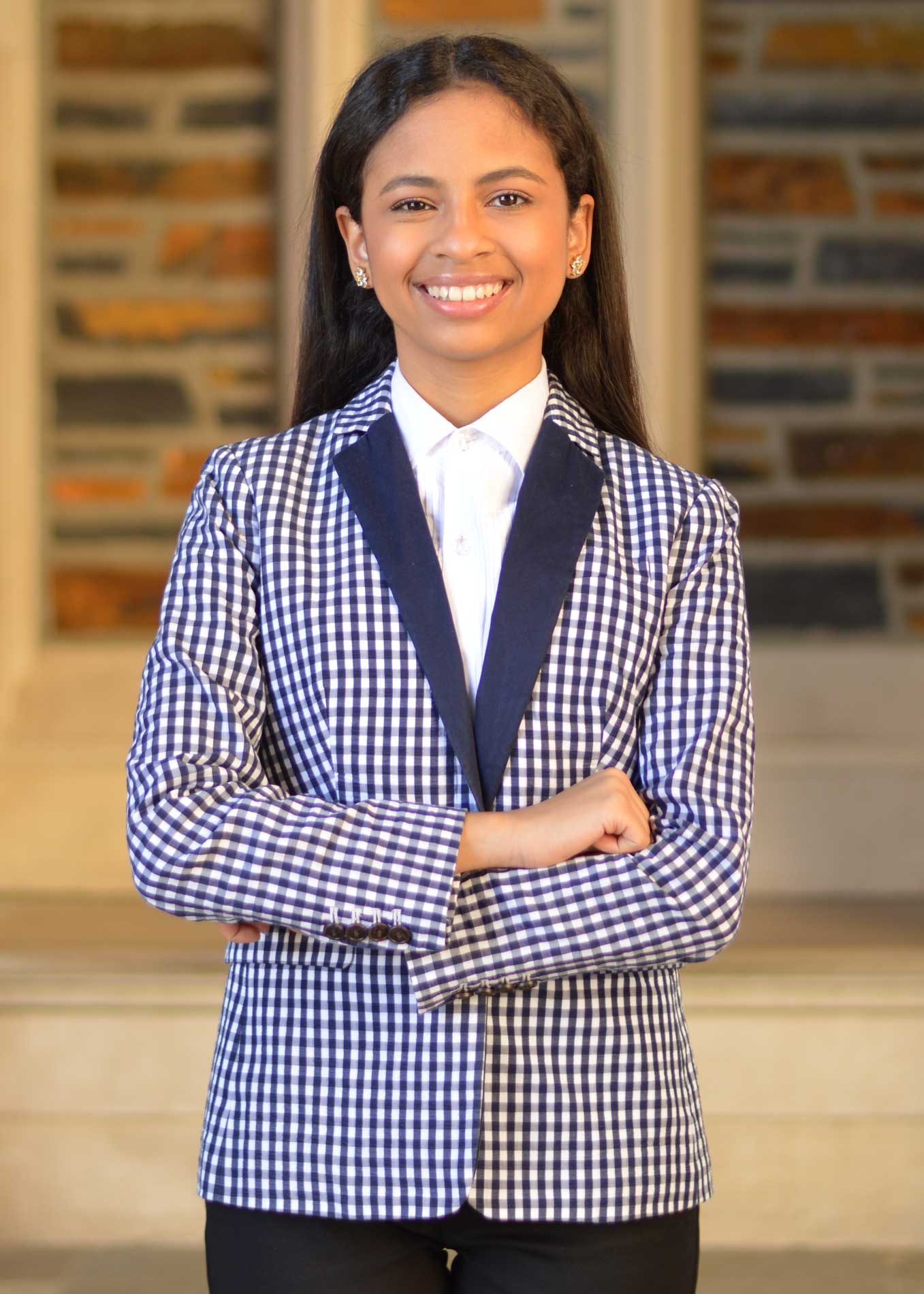
On New Year's Eve of her senior year of high school, while many of her classmates were celebrating, Kimberly Samboy was racing against a deadline.
She was finishing her Duke application.
For Samboy, who grew up in Santo Domingo, Dominican Republic, the stakes were enormous. As a low-income student, she knew studying abroad would only be possible if she received significant financial aid.
“I needed a full scholarship,” she says. “Otherwise, I would stay in the Dominican Republic.”
She applied to 35 universities across the United States and Spain, determined to find a place where she could pursue her ambitions without placing a financial burden on her family. When Duke’s acceptance letter arrived – with a full scholarship attached – everything changed.
Today, after completing her first year at Duke, Samboy says the university has exceeded even her highest expectations.
“It’s been such a cool experience,” she says. “I’ve found a community where people are academically successful, but they also genuinely value relationships with one another.”
As a public policy and journalism major, Samboy arrived eager to learn. What she didn’t expect was how much she would learn from those around her.
Coming from a traditional Catholic family, she was suddenly surrounded by classmates from vastly different cultural, religious and political backgrounds. One new friend was Jewish. Their talks have been expansive.
“The conversations are so powerful because we’re trying to understand one another,” she says. “We’re not trying to convince each other. We’re just learning.”
The transition to college life in the United States was not always easy, Samboy admits. For the first time, she was living thousands of miles from her family. And taking classes that were all taught in English.
But through orientation programs, residence hall friendships, student organizations and faculty support, Duke quickly became home.
“Everyone you meet at Duke has such a cool story,” she says.
One source of support came from fellow Dominicans and mentors on campus who understood the challenges of leaving home and adjusting to a new culture. Being able to speak Spanish with friends and maintain strong connections to her heritage helped her feel grounded.
Samboy observes that one of Duke’s greatest strengths is its willingness to help students transform ideas into reality.
As a member of student government, she helped create initiatives highlighting the cultures of smaller countries represented on campus. Her passion for storytelling also led her toward journalism, where she learned that meaningful reporting begins with listening to other people’s experiences.
Some of her strongest learning occurred through Gente Aprendiendo para Nuevas Oportunidades – translated as People Learning for New Opportunities – a service-learning program that connected her with Spanish-speaking adults learning English. Listening to their stories broadened her perspective and reminded her of the communities she hopes to serve.
The support she received from professors has also proved transformative, she says. Although she had studied English before arriving at Duke, completing college-level coursework in English was a major adjustment. Faculty members took time to answer questions, review assignments, and help her navigate the transition.
“Knowing that I could ask for help made everything better,” she says.
This summer, Samboy served as a diplomatic intern with the Dominican Republic’s Permanent Mission to the United Nations in Geneva, Switzerland. There she helped prepare briefing materials, assisted with communications, attended meetings across United Nations bodies and supported diplomatic operations.
This U.N. opportunity combines many of her interests: policy, communications, international affairs and storytelling.
At just 18, Samboy is still exploring exactly where her future will lead. Graduate school, nonprofit work, government service and journalism all remain possibilities. What she knows for certain is that she wants to spend her life helping people tell their stories and creating opportunities for others.
A year ago, she arrived at a new place carrying dreams, questions and lots of uncertainty. Today, she carries something else: confidence. In herself. In her voice. And that she belongs here.