

Ben Sperber ’24 bottomed out during his junior year.
He was excelling grade-wise, with a 4.0 GPA. Yet he was drinking all day, every day, and in denial about his addiction. After a family intervention and an intensive outpatient stay over winter break, Sperber realized he needed to stay sober. He returned to campus for spring semester and looked for a support group. Alcoholics Anonymous hadn’t worked for Sperber for several reasons, but a major one was that most people trying to stay sober were a generation older than Sperber. Their lives, their concerns, were different from a college student’s. He needed a community of peers.
Not long after Sperber celebrated 100 days of sobriety he heard about Recovery at Duke, a support program for students who need to manage their relationship with substances like alcohol. They can be totally sober, like Sperber, or they can merely be trying to cut back. He didn’t hesitate to join its support group.
“I felt immediately understood, heard and seen,” Sperber says.
Recovery at Duke is offered by DuWell, Duke’s wellness outreach arm. With its main location nestled behind Penn Pavilion and below Towerview Road in the Student Wellness Center, DuWell is calming and welcoming by design. DuWell has long had a reputation for mindfulness activities like yoga and meditation. While stress mitigation and holistic well-being is still a priority, DuWell’s mission has expanded to include harm reduction.
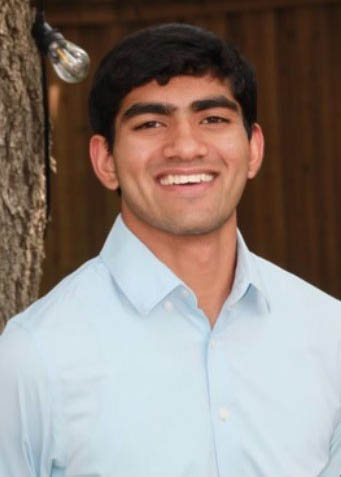
Sexual health and, yes, substance abuse now fall under DuWell’s umbrella. Wellness means anxiety reduction, sure, but it also means providing easy, nonjudgmental resources for college students as they learn to take care of themselves in the adult world.
“College is such a different experience. You are no longer having this constant support living in your house,” says DuWell student intern Rosie Smolowitz. “The way people deal with that transition can cause a lot of harmful behaviors.”
The goal is not to dissuade people from alcohol or sex, Smolowitz says, but to teach them how to be safe and responsible. Student interns are critical to DuWell’s programming for the same reason that the students in Sperber’s support group were for him. They’re peers from within the student body.
Many interns are driven to help. Pranav Mukund, B.S.M.E.’26, for instance, remembers when a high school friend’s brother overdosed. Narcan existed, but the opioid overdose-reversal spray was still unattainably expensive.

By summer 2023, when Mukund was entering his sophomore year, its price had come down. Mukund got involved in DuWell, specializing in overdose prevention education. He trained as a social host, a role Duke requires at larger events serving alcohol.
“You’re trained to be an active bystander and recognize the signs of alcohol poisoning, but in years past it did not involve any training for overdose,” Mukund says. “I worked to incorporate those lessons.”
Because of DuWell, Narcan kits are installed in every dorm, plus other Duke locations. It’s a proactive move, DuWell associate director Sara Campbell says, and it’s caught the attention of other universities. Elon University, in nearby Alamance County, contacted Campbell to learn about the initiative.
Like Mukund, Smolowitz came to her DuWell internship with public health in mind.


“The passion project for me is [sexual transmitted infection] testing,” says Smolowitz.
Smolowitz has practiced yoga, bullet journaling and gratitude, but her DuWell internship revealed a broader scope of the wellness world. Yes, there’s the aforementioned risk reduction, but also social wellness and financial wellness.
“It doesn't really feel like work,” she continues. “It feels like you're doing something that you're all super passionate about, and there's no way that you don't become friends [with the other interns].”
A junior majoring in global health and psychology – and an emergency medical technician on the side – Smolowitz has dreams of working in emergency medicine. The field combines mental and physical health, she says, noting that many people in mental health crisis land in the emergency department.
“I would love to be able to give them a good interaction with the health care system,” she says. “I also just really like adrenaline. My brain thrives best when there’s chaos and crisis.”
Yet Smolowitz and her friends try not to miss DuWell’s Thrive Labs programming. These can be puppy yoga, candlelit sound baths or pot painting. They are experiences rather than lectures, Campbell says, and are designed to replace tension with joy.
Or Smolowitz will simply drop by The Oasis, a calming recharge space in the Student Wellness Center (there is also an Oasis on East Campus), with its massage chairs and aromatherapy.
Wellness is also about slowing one’s heart rate during a stressful day and re-centering. Smolowitz may love adrenaline, but even as an undergraduate she has already learned to balance it with inner peace.
“You read about how gratitude and looking for things that you're grateful for might help you be more grateful and more positive in life,” Smolowitz says.
“When you actually see that happen, it's incredible. It makes you never want to stop pursuing these wellness things.”