
Most freshmen come to Duke thinking about how their four years here will prepare them for what comes next. Alyah Baker ’03, M.F.A.’21 arrived with a different plan: She was going to stay for only a year.
She and her mother had a deal: If college did not feel right, Baker could leave and pursue dance professionally. She had already spent years training and did not want to give that up. What she wanted was a school that could hold both her artistry and a broader education.
So she came to Duke.
“Going there for undergrad was probably the best decision I’ve ever made,” Baker said.
She came for the dance program but stayed because she discovered she did not have to choose between artistry and a broader education. She performed nearly every semester and found mentors who encouraged her to think of dance as more than performance. At Duke, she said, dance became a way to explore storytelling, culture and the role art can play in shaping communities.
After graduation, Baker continued her dance training in California, where she spent the next 16 years in the Bay Area while remaining connected to Duke's dance program. She returned regularly to campus to perform as an alumna, and when she learned the university was launching a master of fine arts in dance, she immediately knew she wanted to come back.
By then, her understanding of dance had evolved. Living in Oakland deepened her understanding of community, identity and belonging, ultimately inspiring her to found Ballet for Black and Brown Bodies, an initiative that creates more welcoming and culturally relevant spaces within ballet.
Now an assistant professor at UNC Charlotte after previously teaching at Duke, Baker encourages people to see dance as something that belongs to everyone.
“I always hope my students feel empowered,” she said.
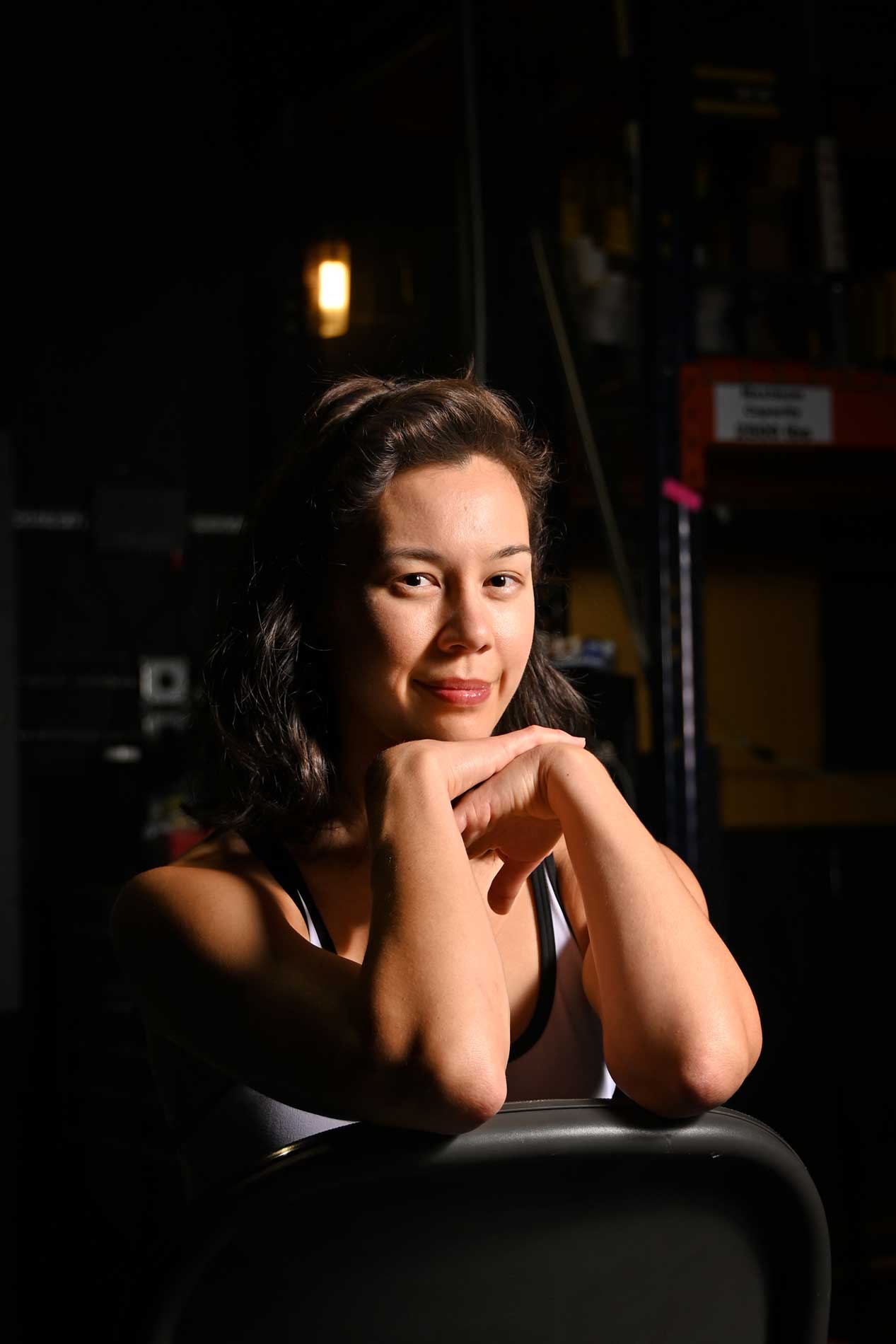
For Courtney Liu ’13, M.F.A.’21, performance has kept her in motion for years, but North Carolina has remained a constant.
“Durham is a really good place to be a working dance artist,” Liu said.
Liu did not want a life in the arts that required choosing one lane. In North Carolina, she found a way to build a career through choreography, teaching and performance while continuing to work professionally in New York. Rather than seeing the two places as competing with one another, she uses Durham as a foundation that allows her to move between them.
For many dancers, building a career outside a major arts hub means piecing together opportunities across multiple roles, Liu said. Durham's network of universities, dance studios and the American Dance Festival made that possible. Because she had already built relationships while attending Duke, she was able to return and immediately begin teaching, choreographing and performing instead of starting over somewhere new.
“I already had connections,” she said. “So it felt like a place that I could come and immediately get on my feet.”
When Liu returned for Duke's inaugural master of fine arts in dance program, those connections only deepened. Duke's culture encouraged her to pursue opportunities across disciplines, a mindset she carried into her professional career, Liu said. Rather than following a single prescribed path, she learned to seek out experiences and embrace the variety that now defines her work.
Now teaching musical theater dance at Elon University, Liu works with students just before they enter the profession themselves. She trains them for an industry that demands versatility, stamina and constant reinvention, helping them build not only technique but a clearer sense of how to sustain a life in the performing arts. North Carolina has become more than a place to anchor her own career. It is also where she is helping shape the next generation of artists.
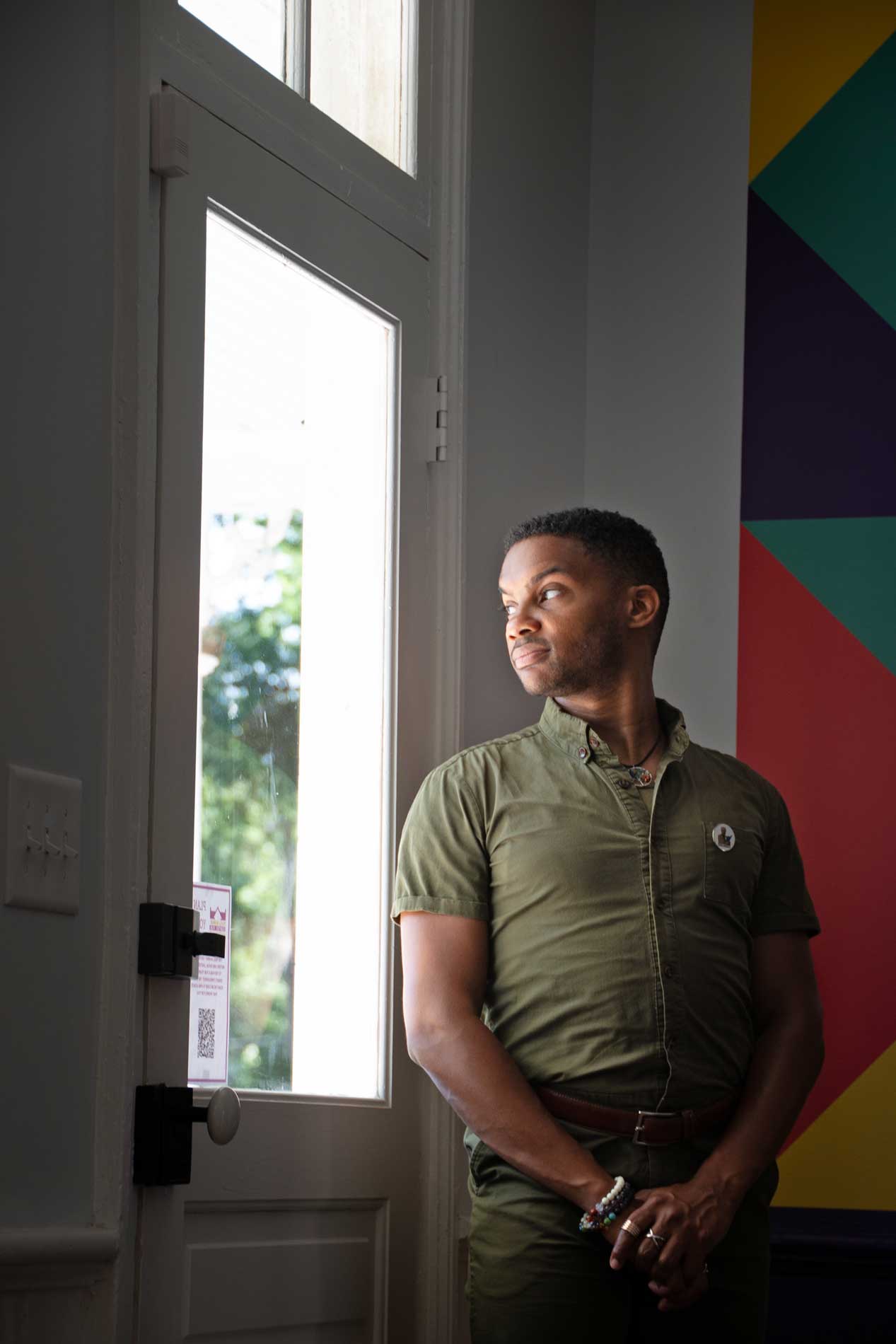
For Jesse Huddleston ’10, Durham became more than the place where he went to college.
Although he grew up in Georgia, North Carolina had long been part of his life through family. It was at Duke, however, that he began to think differently about what it meant to belong to a place. Through Duke Chapel Pathways, a program centered on vocation and community engagement, Huddleston started asking not only what kind of work he wanted to do but how that work could respond to the people and community around him.
“I want to be responsive and connected to what’s happening in my community,” he said.
What began as student involvement gradually became a lifelong commitment to Durham. After working in the technology sector, Huddleston said he reached a turning point around age 30, leaving that career behind to return to community-centered work. Since then, his career has spanned Duke, local nonprofits, church communities, the arts and LGBTQ+ advocacy, all rooted in the same desire to invest in the place he now calls home.
Now director of development and community engagement at the LGBTQ Center of Durham, Huddleston describes himself as a connector, cultural preservationist and community builder. More than job titles, those roles reflect a commitment to helping people recognize shared histories and create meaningful change together.
For Huddleston, those different spaces are not separate parts of his life. They inform one another. His work in the arts, church communities and LGBTQ+ spaces all stems from the same belief that people should be able to show up fully as themselves and that community work should make room for those complexities.
For Baker, Liu and Huddleston, Duke became more than a place to earn a degree. It became the starting point of lives rooted in North Carolina, where they continue to shape communities through art, education and advocacy.