
It has been said that “Earth breathes in us.” Perhaps that is the best way to describe our relationship with climate. We are inseparable from it. But how does it affect our well-being? What role does it play in our health? As climate change becomes more evident, the questions grow.
Not surprisingly, Duke scholars are on it. Asking the tough questions and untangling the answers.
“A lot of research underway here is related – or will prove to be related – to climate’s impact on health,” says physician scientist Dr. Robert Tighe, pulmonary and critical care doctor in the Duke School of Medicine and at the Durham Veterans Administration Medical Center. “We know how climate change is exacerbating some things, but others we’re not quite aware of yet.”

Toddi Steelman, vice president and vice provost for climate and sustainability at Duke, stresses the connection between climate and well-being. “The relationship of climate and health is an area Duke wants to be known for,” says Steelman. “First, because it’s incredibly important if you want to address the climate challenge. Second, we have true distinction in this area because we are attached to a health system, we have a school of medicine, we have a school of nursing, and we have an embarrassment of riches of faculty doing health-related work throughout the university. We bring a distinctive strength to this topic.”
Over the years as climate issues have worsened and Duke researchers have traveled, partners in many parts of the world have asked for Duke’s help in meeting climate challenges, and Duke has stepped up.
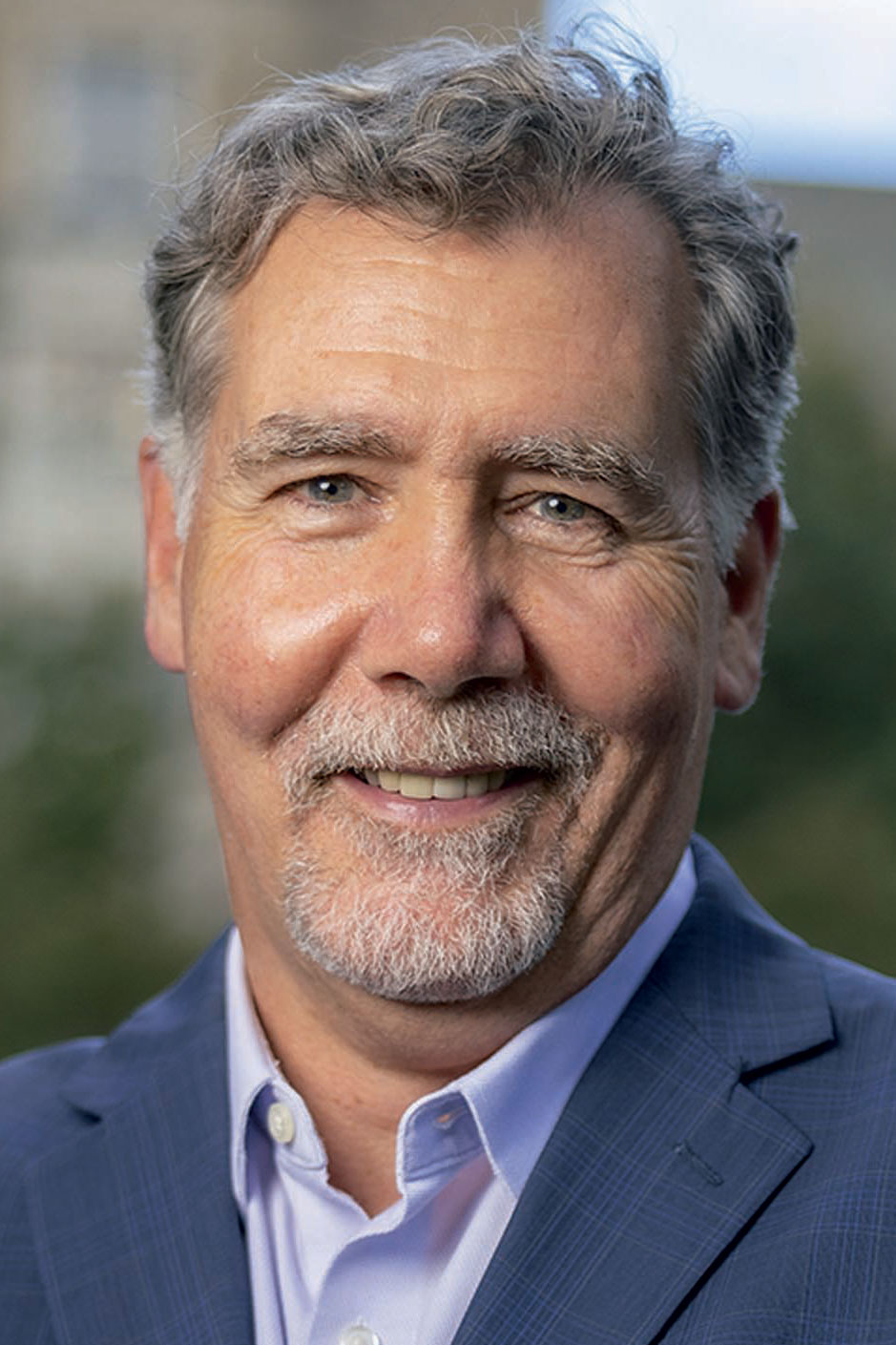
“This is a global transnational problem,” says epidemiologist Dr. Chris Beyrer, Gary Hock Distinguished Professor in Global Health and director of the Duke Global Health Institute, “and it needs global transnational solutions.”
Right now, Duke research related to climate and health is active in as varied places as North Carolina, the Amazon River Basin, East Africa and Southeast Asia. Duke’s presence in each location enables community-driven research, measuring region-specific climate and health issues, and driving policy and strategies to mitigate them. The factors are complex and interrelated, and interventions in one place may inform interventions elsewhere.
The inquiry is not limited to where scholars can physically go. “There is active research on how we can use all the larger databases we have to identify the things we’re overlooking that are changing the nature of health threats,” says Tighe. “We can use the information to see how changes in climate over time are impacting different types of diseases.”
Air Pollution
Scientists talk about “health burdens,” conditions that compromise well-being. One is dirty air.
“The burden of air pollution is enormous,” says physicist Drew Shindell, Nicholas Professor of Earth Science.

“There are a lot of impacts we don’t yet fully understand. Our data tells us that air pollution can kill people. It can exacerbate respiratory and cardiovascular disease, including things like strokes and heart attacks, which you don’t necessarily associate with air pollution. We also believe it can affect cognitive development in children and we’re just learning that it even affects neurogenerative diseases in older people, causing dementia. Diabetes, too, has strong links to breathing in air with particulates in it.”
He points out that while we take in more air every day than anything else, “we care more about our food and water being clean. We should care about our air too, but it’s often not as obvious to people.”
How bad your air is depends on where you live. “In places like India and Pakistan and much of the developing world, it’s terrible. It’s literally life-threatening to breathe the air somewhere like Delhi,” Shindell says.
A native of the San Francisco Bay Area who spent 20 years as a climatologist with NASA, Shindell studies the combined impact of air pollution and climate change. If you look at either one separately, you miss the complete picture, he says. His work involves computer modeling using NASA technology and international data in collaboration with colleagues around the world.

Tighe, a Midwesterner who attended medical school at the University of Tennessee at Memphis and came to Duke in 2006, studies which individuals are most vulnerable to the adverse effects of bad air, particularly as related to lung disease and lung injuries. How do air pollutants injure the lung and how may that be worsened by genetics and prior medical conditions such as diabetes and obesity? Most recently, he has been examining whether poor air quality makes people who get colds more susceptible to prolonged illness.
Air pollution comes mostly from combustion: automobiles, power plants and, in some countries, factories. But it also comes from dust, sandstorms, wildfires and fungus. In addition, climate change has brought extremes of water, increasing the amount of pollen in the air, prolonging allergy season in places like North Carolina. And flood-prone areas are more susceptible to developing fungus, which is learning to adapt to heat and can be a source of respiratory disease or exacerbate conditions like asthma.
Overall, a warmer climate chemically favors the production of the air pollutants ozone and nitrogen dioxide. This worsens conditions such as asthma and COPD, which are likely to flare more often than before.
“When you don’t see it, it’s easy to assume it’s not a problem. You don’t know what you’re losing until you’ve lost it.” Tighe is talking about what he describes as the U.S. backsliding in clean air improvements.
He cites dramatic progress made over decades, thanks to the Clean Air Act and the Environmental Protection Agency. “But with climate change, particularly increases in large wildfire events, we’re seeing episodes of significantly worsened air quality.”
A Mysterious Kidney Disease
Sri Lankan native Nishad Jayasundara left his home country when he was 17 for higher education in the U.S., never imagining he’d be back to apply his knowledge to a critical problem in his hometown and surrounding area.

Jayasundara, Juli Plant Grainger Assistant Professor of Global Environmental Health, earned a Ph.D. in biology at Stanford, researching how heat affects physiological processes. For his postdoc at Duke, he looked at the intersection between heat and response to chemical toxins in the environment.
During this time he learned about a mysterious kidney disease popping up in Sri Lanka and other hot locales. It was affecting one in three farmers who use a lot of agrochemicals. The disease was coined Chronic Kidney Disease of Uncertain Origin, or CKDu.
It turns out that in Sri Lanka people drink from wells right next to their rice fields. “They spray the field, wash their equipment in the well, take a bath from it and then drink the same water,” Jayasundara says. And now 20,000 people are waiting on dialysis. If they can’t get a kidney transplant, which is unlikely, they die.
It is not just a health problem but a socioeconomic problem. The men die, leaving behind vulnerable women and children.
Jayasundara, a professor of global environmental health, was compelled to do what he could for his people. He received a grant through the DGHI and for seven years has been traveling between his labs at Duke and in Sri Lanka. He sees the disease only where there are both heat and toxic chemicals. The combination is the culprit. Meanwhile, droughts are making farming more difficult, requiring more time spent outside and more chemicals. Yet the chemicals, similar to those used safely in cooler parts of the world, are absolutely necessary to grow the crops.
Even though, after 25 years, Jayasundara feels more at home in the U.S., his familiarity with the people and the language in Sri Lanka is a huge asset in building the work there.
“We are trying to reduce the heat burden on these communities with protective gear and work breaks, and improve access to clean water so they can stay hydrated. We are also trying to regulate nighttime temperature so they can rest.”
The Duke team is concerned that, with global warming, they will start seeing the disease in younger people. Right now it shows up between the ages of 35 and 50, but they are tracking children for early signs.
A major advantage of doing this work in Sri Lanka is that the public health system there is quite good, Jayasundara says. Health care is all free, including kidney transplants, but because of CKDu, dialysis is now a huge cost to the government and drawing resources away from other health care needs. Jayasundara recently met with the country’s minister of health to discuss these challenges.
Steelman refers to CKDu as a “climate sentinel disease,” meaning its patterns of transmission are significantly influenced by climate change, acting as early warning signs of broader health impacts, like the proverbial canary in a coal mine.
Jayasundara says the work in Sri Lanka, where CKDu is the No. 1 health problem, is helping researchers better understand similar issues in U.S. farming communities. “There are studies already emerging in California and Texas to understand the same disease.”
Change in Diseases, Need for More Data
Another climatic challenge to health is the “changing epidemiology and the changing burden of both chronic diseases and infectious diseases,” according to Beyrer. As an example, he cites current challenges to the control of malaria.
“We’ve been working in Northern Kenya, where there is spread of a new heat-resistant, drought-resistant malaria transmitter, a mosquito from India that has spread into the very hot, dry parts of Northern Kenya, where there didn’t used to be malaria and now there is. In many communities, nearly a third of the people have it, and that is an outcome of climate change, because the distribution of mosquitoes is changing.”
Rising heat is not the only cause. Others include changing rainfall patterns, the spread of new transmitters, dehydration and agricultural chemicals. As the environment changes, Beyrer says, different kinds of insects, fungi and bacteria can live in many places, and the people there don’t have
acquired immunity.
“What we’re trying to do at DGHI is understand the impacts of climate change and mitigate them as they relate to health,” says Beyrer.
One challenge for researchers is that a lot of different kinds of data exist from human populations, as well as a lot of climate data, but often these systems can’t communicate with one another. In response, DGHI has created an initiative to establish four climate and health observatories to collect data from human populations and from climate. The observatories will be located in the Amazon Basin, East Africa, Southeast Asia and North Carolina.
“I’ve been doing this kind of research for more than 30 years,” says Beyrer, “and I can tell you that when you are trying to solve a problem, the more data you have, the more likely you are to find a solution that works.” The observatories are a huge step forward in collecting that knowledge.
Health Impacts in Rural Areas
All these scientists point to the social aspects of climate change. Many of the worst pollutants have for decades been located in lower-income communities and in rural areas. Yet impacts to health in rural communities, which have fewer resources and less resilience, have been largely ignored.
“I don’t think we’ve appreciated that to the level we should,” says Tighe. “We’re interested in getting a better sense of how climate change is impacting health in rural areas.”
“There’s a very large justice issue here, a climate equity issue,” says Beyrer. Many of the people most affected by the climate crisis have very small carbon footprints. They are suffering from the climate crisis but had almost nothing to do with causing it. Duke is going into these areas, collecting data and working with local communities and local governments to develop solutions that work at a local level.
Looking Ahead
Scientists hope that as people become more aware of climate’s effect on health, they will move toward mitigating behavior. “People may not be motivated to reduce their carbon footprint for the sake of the planet,” says Tighe, “but it’s different when there are ill effects to your health. Talking honestly about health impacts resonates more than just saying, ‘we want you to get rid of your old gas guzzler.’ “The climate is going to continue changing. It’s the reality, and we have to figure out how to make individuals more resilient. What I care about at the end of the day is helping people. I want to understand how what’s changing is hurting them, to try to help them live as healthy lives as possible.”